Respite Care That Feels Like Home: Benefits of Smaller Senior Residences
Business Name: BeeHive Homes of Santa Fe NM
Address: 3838 Thomas Rd, Santa Fe, NM 87507
Phone: (505) 591-7021
BeeHive Homes of Santa Fe NM
BeeHive Homes of Santa Fe NM is a premier Santa Fe Assisted Living facilities and the perfect transition from an independent living facility or environment. Our Alzheimer care in Santa Fe, NM is designed to be smaller to create a more intimate atmosphere and to provide a family feel while our residents experience exceptional quality care. We promote memory care assisted living with caregivers who are here to help. Memory care assisted living is one of the most specialized types of senior living facilities you'll find. Dementia care assisted living in Santa Fe NM offers catered memory care services, attention and medication management, often in a secure dementia assisted living in Santa Fe or nursing home setting.
3838 Thomas Rd, Santa Fe, NM 87507
Business Hours
Families typically start looking into respite care when they are already tired. A partner who has not slept through the night in months. An adult child balancing work, school pickups, and a parent with advancing amnesia. A caretaker who has not had a holiday in years since every lack feels risky.
At that point, the search for help often ends up being a race: discover a place, any place, that can keep a loved one safe for a week or 2. That seriousness is genuine. Yet the setting you pick for respite care can form just how much relief everybody really feels, and how your loved one reacts as soon as they return home.
In my experience in senior care and assisted living, smaller senior assisted living near me beehivehomes.com homes frequently provide respite care that genuinely feels like home, rather than a brief hotel stay with nurses. They do not fit every scenario, but for numerous households, they bridge the space between needing a break and wishing to honor a parent's sense of self.
This article looks carefully at why.
What respite care actually provides (when it works well)
Respite care is short term assistance for an older adult so that the main caregiver can rest, take a trip, recuperate from surgery, or simply step back for a while. It can last a couple of days, a couple of weeks, or periodically a couple of months, depending on the setting and the care plan.
You will see respite care provided in numerous kinds of senior care environments:
Respite in traditional assisted living
This is the most typical alternative. A larger community confesses your parent for a defined period, generally into a provided apartment or condo or suite. They get aid with everyday activities such as bathing, dressing, medications, meals, and light supervision. It can work very well, particularly when your parent may later on require a permanent assisted living positioning, due to the fact that respite gives everybody a possibility to "test drive" the community.Respite in smaller senior residences
These may be called residential care homes, board and care homes, group homes, adult household homes, or by other state particular terms. They usually serve 4 to 16 citizens in a more home like setting, frequently in a residential neighborhood. Personnel provide assisted living style support, however the scale and environment feel different from a 100 apartment complex or a medical campus.
Home based respite
This includes paid in home caregivers, adult day programs, or a brief stay with another member of the family. It can be perfect for senior citizens who end up being disoriented in unknown environments, but it does not always supply adequate relief, specifically for caregivers managing nights of roaming, falls, or personal care requirements that are physically demanding.Each approach to respite has strengths. The concern is where your loved one is more than likely to feel secure and comfortable, while you get the genuine break you require. For lots of older grownups, a smaller senior house strikes that balance.
How smaller senior houses differ from large assisted living communities
From the outside, the distinctions can seem subtle: both provide assisted living and respite care, both might have accredited personnel, care plans, medication management, and state inspections. The divergence becomes very clear once you step through the door.
Large assisted living communities frequently look like hotels, resorts, or apartment. They may have long hallways, elevators, a grand dining-room, activity calendars with printed schedules, and a large range of apartment or condo sizes. For some elders, that sense of scale is stimulating. For others, especially those currently distressed or baffled, walking into a lobby full of strangers and noise can feel like an airport on a hectic travel day.
Smaller senior residences normally feel more like strolling into someone's home. You might smell onions sautéing in the kitchen area at 10 a.m. You may see 3 locals around a table folding laundry or playing cards. The staff member welcoming you might have just ended up helping a resident with breakfast in the next room.
Here is an easy contrast of what families tend to notice.
-
Size and layout
Smaller homes might have 6 to 12 residents, frequently in a single story home or a compact structure. That implies less hallways, less doors, and a much shorter walk from bed room to restroom or living room. For someone with arthritis or early dementia, this can minimize fatigue and confusion. -
Staff relationships
In a small house, a caretaker usually knows every resident by name, routine, and peculiarities within days. It is far easier to keep in mind that Mr. Harris requires his coffee before he will take his tablets, or that Mrs. Nguyen gets nervous if her evening shower is far too late. In a big neighborhood where personnel turn through various wings, it can take a lot longer to get to that level of familiarity. -
Sensory environment
Large dining-room, paging systems, constant movement in corridors, and intense lighting can feel frustrating to some older grownups. A smaller home tends to have more constant background sound and fewer crowds, which matters a lot for individuals with hearing loss or cognitive changes. -
Daily rhythm
In a smaller home, assisted living regimens often line up more closely with the natural rhythm of a household. Breakfast may be staggered, with some locals eating at 7:30 and others at 9:00, rather of a rigorous 8:00 to 9:00 window. This versatility can make respite care feel more like sticking with extended family and less like being on a cruise liner schedule. -
Visibility and supervision
Due to the fact that the space is smaller and more open, staff can normally see and hear locals more quickly. For respite visitors who are at fall danger or who might try to stand without calling for help, that consistent informal guidance can be as important as any formal safety measure.
None of these attributes immediately make a small residence better. They do, nevertheless, shape the type of experience your parent has throughout respite care. For an individual already tired of organizations and waiting spaces, a house sized setting can feel like a deep exhale.
What "seems like home" means to older adults
Families often state, "We want something that seems like home," but each person means something somewhat various. When older grownups describe a positive respite stay in a smaller senior residence, they seldom talk about chandeliers or theater rooms. They talk about moments.
A woman in her eighties who stayed in a six bed home for two weeks once informed me, "They let me assist dry the meals, so I did not feel useless." That easy gesture mattered more to her than the medication management that her child discovered most impressive.
In smaller senior residences, personnel can often weave significant options into normal regimens:
- Allowing a resident to peel carrots at the cooking area table while personnel prepare soup.
- Asking a retired teacher to check out aloud to another resident with vision loss.
- Letting somebody bring their own quilt, recliner chair, or preferred mug instead of relying solely on basic furniture.
Those information might sound small, however they speak to dignity. Many older adults have actually invested a lifetime running families, raising families, and making decisions. A respite stay that strips away all those functions, even briefly, can feel embarrassing. A smaller environment reduces that risk by making involvement simpler and more natural.
There is also the issue of identity. In a big assisted living neighborhood, a respite resident is often "home 214 for two weeks." In a small home, personnel and other locals may quickly discover that your father is the one who utilized to repair planes, or that your mother is the baker who still knows 5 pie crust recipes by heart. That sense of being called more than a room number can relieve the stress and anxiety of being far from home.
Emotional benefits for both the senior and the caregiver
When respite care feels institutional, families will in some cases cut stays short. A son plans two weeks away, then races home after 5 days since his mother sounds unpleasant on the phone. The caregiver gets only partial relief, and the senior might become more resistant to any future respite.
Smaller senior houses often turn that pattern. I have actually seen families sheepishly admit that their parent did not want to leave at the end of a respite visit. That can sting at first, but it is normally a sign that something went right.
For the older adult, the benefits often include:
A softer landing
The shift from home to respite care can trigger confusion, fear, or perhaps anger. Walking into a warm, manageable space with a handful of individuals feels less like being "sent away" and more like visiting a relative who occurs to have extra help on site.Reduced loneliness
Primary caregivers are not constantly able to supply social stimulation day after day, particularly if they are working or managing health concerns of their own. In a small house, table talk is simple. 4 individuals around a table can hear each other. Games, music, or television viewing ended up being shared activities rather than big events that need register and announcements.Preserved routine
If your father constantly sleeps after lunch, a smaller home is more likely to accommodate that without pressuring him to attend a scheduled activity. Familiar patterns minimize agitation, especially for people with dementia.For caregivers, the emotional relief comes from understanding that respite care is not simply custodial. When you feel great that your loved one is in a location that treats them as an individual, not a job list, you can rest or travel without the constant pull of guilt.
That comfort has measurable impacts. Caregivers who take regular, high quality respite breaks are less likely to establish extreme anxiety, most likely to keep their loved one in the house longer, and often more patient everyday. It is not indulgence. It is maintenance.
Clinical and safety advantages you might not expect
Families in some cases stress that small homes can not match the clinical standards of big assisted living neighborhoods. Sometimes that holds true, especially for homeowners with complicated medical needs. Yet there are likewise safety benefits that show up in everyday practice.
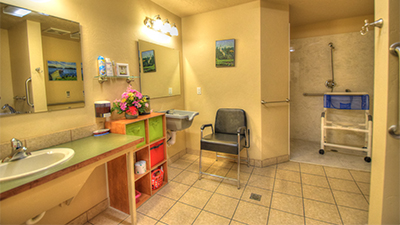
Observation and early intervention
In a home with 8 residents, a modification in behavior is hard to miss out on. If a typically social person all of a sudden prevents meals, personnel will observe within a day. Subtle shifts in gait, hunger, or sleep often get gotten faster in small settings simply since there are fewer people to track.Fall danger management
The tighter design of a small house can actually lower fall risk. Staff hear a walker scraping on the flooring or a call from the bathroom. Common areas are visible from the cooking area, where staff spend a great deal of time. Rather of relying exclusively on call bells or scheduled rounding, caretakers can react in genuine time to what they see and hear.Medication consistency
Bigger communities frequently have medication specialists who pass meds to lots of citizens per shift. Systems and training matter a lot, and many do this securely. A small house, however, might have the exact same caregiver helping with medications, meals, and personal care for the very same handful of residents day after day. Familiarity minimizes the threat of subtle errors like missing out on an as required anxiety medication before a recognized trigger, such as sundowning.Nutrition and hydration
Home style cooking areas are not just about visual appeals. Being near the smells of cooking can promote cravings. Personnel can also provide small, regular snacks or beverages customized to each resident's choices without requiring to collaborate with a central kitchen area. For respite visitors who arrive somewhat dehydrated or undernourished, 2 weeks in a home that continuously provides sips of water and basic, fresh foods can make a noticeable difference.Of course, scientific quality varies widely among both small homes and big assisted living neighborhoods. Licensure, staff training, and leadership all matter. A warm living-room does not compensate for bad infection control or lax medication practices. That is why mindful evaluation is crucial.
When a smaller residence is not the best fit
Smaller senior homes are not a magic solution. There are real constraints, and sometimes, a bigger assisted living and even an experienced nursing center is the much safer choice for respite care.
High medical complexity
If your loved one requires everyday injury care, regular injections, ventilator support, or complex IV therapies, numerous small homes are not geared up or licensed to manage those requirements. Some might partner with home health or hospice firms, but that still needs a greater level of personnel expertise and coordination.Severe behavioral symptoms
Certain kinds of dementia related habits, such as regular aggression, duplicated attempts to leave the building, or severe nighttime wandering, might overwhelm a small home's staffing model. A memory care unit in a larger community, with protected outside areas and more specialized programs, can in some cases manage these behaviors more safely.Specialized rehabilitation
If the objective of respite is extensive rehab after surgery or health problem, a short remain in a competent nursing or rehab center, with on site physical, occupational, and speech treatment, might be more reliable. A small home can support ongoing workouts however is hardly ever established for multiple therapy sessions per day.Regulatory variation
Regulations for small senior houses differ enormously by state or country. Some are securely managed and must satisfy almost the very same requirements as assisted living neighborhoods. Others fall under looser board and care or residential care guidelines. Families require to understand what level of care is lawfully allowed that particular setting.Cost and insurance
Respite care is often personal pay, despite setting. In some markets, high demand and minimal supply imply that small homes charge a premium. Long term care insurance policies might have specific requirements about center type, licensure, or minimum bed counts. Always validate that a small home satisfies your policy's meaning of assisted living or eligible senior care.
Recognizing these limits does not negate the benefits of smaller homes. It simply helps you match your loved one's requirements to the right tier of elderly care.
How to examine a small house for respite care
A tour and a brochure tell only part of the story. What matters most is how the place feels and functions on an ordinary Tuesday afternoon, not throughout a set up open house.
Here are crucial concerns and observations that can assist you assess whether a small senior residence is most likely to offer respite care that feels like home.
-
How do personnel interact with citizens when they do not understand you are watching?
Step back for a moment during your visit. Listen to how caretakers speak to residents. Do they utilize first names respectfully, make eye contact, and react to requests promptly? Or do they hurry previous, avoid discussion, or talk over citizens as if they are not present? -
What do you see about the rhythm of the day?
Take note of whether homeowners look engaged or uneasy. Are people sitting alone in their rooms with doors closed, or do you see small clusters talking, viewing television together, or helping with simple tasks? A calm, purposeful environment is a good sign. -
How individualized are regimens and care plans?
Request for examples of how they adapt schedules. If your mother likes to bathe in the night and wear her own nightgown, can they accommodate that? If your father follows a stringent spiritual diet plan or prayer schedule, have they dealt with that sort of request before? -
What is the backup plan for medical problems throughout respite?
Clarify who the on call clinician is, which pharmacy they use, and how they deal with urgent but non emergency situations. Inquire to stroll you through a recent example of a resident who ended up being acutely ill and how they responded. -
How transparent are they about staffing and training?
Ask direct concerns about overnight staffing, caregiver to resident ratios, and training around dementia, falls, and medications. Facilities that provide clear, concrete responses are normally more credible than those that depend on unclear assurances.
If the responses feel evasive, or if something in your gut feels off, keep looking. Assisted living and respite care make love services. You are trusting complete strangers with your parent's most susceptible minutes. Any sense of pain deserves your attention.
Making respite feel familiar: what families can do
Even in the hottest small home, your loved one will adjust more easily if pieces of home featured them. Staff can provide experienced senior care, however households bring the history that makes that care deeply personal.
You can reduce the transition into respite care in a smaller home by concentrating on three areas.
First, send out a short "owner's handbook."
Compose one or two pages about your loved one's routines, likes, and dislikes. Include normal wake and sleep times, favorite TV programs, foods they hate, pastimes, previous occupations, and member of the family' names. Share how they prefer to be resolved. This gives caretakers a head start on relationship building.Second, bring sensory anchors.
Pack a familiar quilt, pillow, photos, the mug they reach for every early morning, or the cream whose odor they relate to relaxation. For people with dementia, these sensory cues can decrease agitation. For others, they simply make the space feel less like a visitor bedroom.Third, strategy interaction that supports, not weakens, adjustment.
If your loved one has hearing loss or cognitive disability, everyday phone calls can in some cases stimulate longing and confusion more than convenience. Concur with staff on an interaction strategy. You may call every other day and depend on personnel updates in between, changing as needed based upon how your parent is coping.When households and small residences interact in this manner, respite care does more than cover basic assisted living requirements. It becomes a short season where everyone can gain back strength, then return to their roles with a little more patience and a little less weariness.
Why smaller, home like settings matter for the future of elderly care
Demographics are moving. More older grownups are coping with numerous chronic conditions, while less adult children are offered as full-time caretakers. At the same time, lots of senior citizens withstand institutional care, even temporarily, due to the fact that they associate it with loss of control and identity.
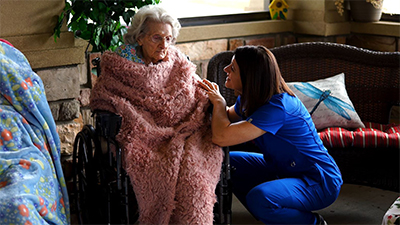
Smaller senior residences that use respite care in a home like environment are not a luxury experiment. They are a useful reaction to these pressures. By blending the structure of assisted living with the intimacy of a home, they provide households alternatives between "do everything in the house" and "transfer to a large center."
For policymakers and senior care experts, supporting this design indicates:
- Ensuring thoughtful guideline that protects locals without squashing small operators under inappropriate requirements designed for much larger campuses.
- Encouraging partnerships between small homes and doctor, so that respite visitors can get collaborated treatment when needed.
- Educating households and recommendation sources about the full spectrum of respite alternatives, not just the largest and most noticeable brands.
For households, the invite is easier. When you try to find respite care, do not presume that larger automatically means safer or better. Visit both large assisted living neighborhoods and smaller homes. Listen to your loved one's reactions. See how personnel move, speak, and notice.
Respite care that seems like home is not about decoration or marketing language. It has to do with whether an older adult can stroll into a place, breathe, and think, "I can live here, even if it is just for a little while." Smaller senior homes are distinctively positioned to create that feeling, and when they do, everybody involved in care feels the difference.
BeeHive Homes of Santa Fe NM provides assisted living care
BeeHive Homes of Santa Fe NM provides memory care services
BeeHive Homes of Santa Fe NM provides respite care services
BeeHive Homes of Santa Fe NM supports assistance with bathing and grooming
BeeHive Homes of Santa Fe NM offers private bedrooms with private bathrooms
BeeHive Homes of Santa Fe NM provides medication monitoring and documentation
BeeHive Homes of Santa Fe NM serves dietitian-approved meals
BeeHive Homes of Santa Fe NM provides housekeeping services
BeeHive Homes of Santa Fe NM provides laundry services
BeeHive Homes of Santa Fe NM offers community dining and social engagement activities
BeeHive Homes of Santa Fe NM features life enrichment activities
BeeHive Homes of Santa Fe NM supports personal care assistance during meals and daily routines
BeeHive Homes of Santa Fe NM promotes frequent physical and mental exercise opportunities
BeeHive Homes of Santa Fe NM provides a home-like residential environment
BeeHive Homes of Santa Fe NM creates customized care plans as residents’ needs change
BeeHive Homes of Santa Fe NM assesses individual resident care needs
BeeHive Homes of Santa Fe NM accepts private pay and long-term care insurance
BeeHive Homes of Santa Fe NM assists qualified veterans with Aid and Attendance benefits
BeeHive Homes of Santa Fe NM encourages meaningful resident-to-staff relationships
BeeHive Homes of Santa Fe NM delivers compassionate, attentive senior care focused on dignity and comfort
BeeHive Homes of Santa Fe NM has a phone number of (505) 591-7021
BeeHive Homes of Santa Fe NM has an address of 3838 Thomas Rd, Santa Fe, NM 87507
BeeHive Homes of Santa Fe NM has a website https://beehivehomes.com/locations/santa-fe/
BeeHive Homes of Santa Fe NM has Google Maps listing https://maps.app.goo.gl/fzApm6ojmRryQMu76
BeeHive Homes of Santa Fe NM has Facebook page https://www.facebook.com/BeeHiveSantaFe
BeeHive Homes of Santa Fe NM has a YouTube channel at https://www.youtube.com/@WelcomeHomeBeeHiveHomes
BeeHive Homes of Santa Fe NM won Top Assisted Living Homes 2025
BeeHive Homes of Santa Fe NM earned Best Customer Service Award 2024
BeeHive Homes of Santa Fe NM placed 1st for Senior Living Communities 2025
People Also Ask about BeeHive Homes of Santa Fe NM
What is BeeHive Homes of Santa Fe NM Living monthly room rate?
The rate depends on the level of care that is needed. We do a pre-admission evaluation for each resident to determine the level of care needed. The monthly rate is based on this evaluation. There are no hidden costs or fees
Can residents stay in BeeHive Homes of Santa Fe NM until the end of their life?
Usually yes. There are exceptions, such as when there are safety issues with the resident, or they need 24 hour skilled nursing services
Does BeeHive Homes of Santa Fe NM have a nurse on staff?
No, but each BeeHive Home has a consulting Nurse available 24 – 7. if nursing services are needed, a doctor can order home health to come into the home
What are BeeHive Homes of Santa Fe NM visiting hours?
Visiting hours are adjusted to accommodate the families and the resident’s needs… just not too early or too late
Do we have couple’s rooms available?
Yes, each home has rooms designed to accommodate couples. Please ask about the availability of these rooms
Where is BeeHive Homes of Santa Fe NM located?
BeeHive Homes of Santa Fe NM is conveniently located at 3838 Thomas Rd, Santa Fe, NM 87507. You can easily find directions on Google Maps or call at (505) 591-7021 Monday through Sunday 9:00am to 5:00pm
How can I contact BeeHive Homes of Santa Fe NM?
You can contact BeeHive Homes of Santa Fe NM by phone at: (505) 591-7021, visit their website at https://beehivehomes.com/locations/santa-fe, or connect on social media via Facebook or YouTube
La Choza Restaurant offers classic New Mexican comfort food that makes dining enjoyable for residents in assisted living, memory care, senior care, elderly care, and respite care outings.
Ends · PAXTONJDNU110